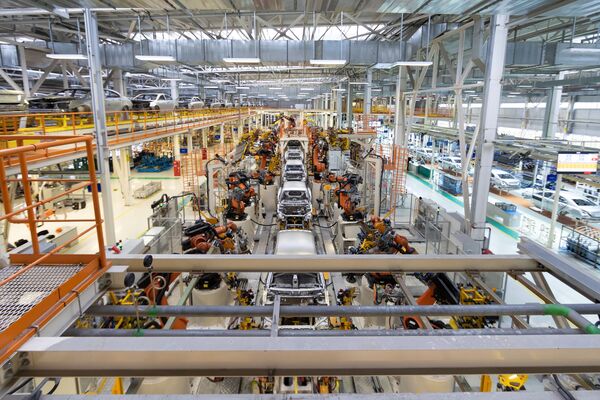
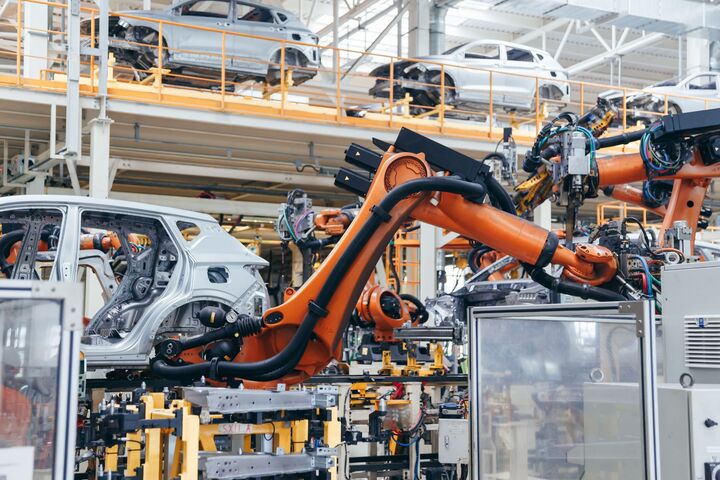
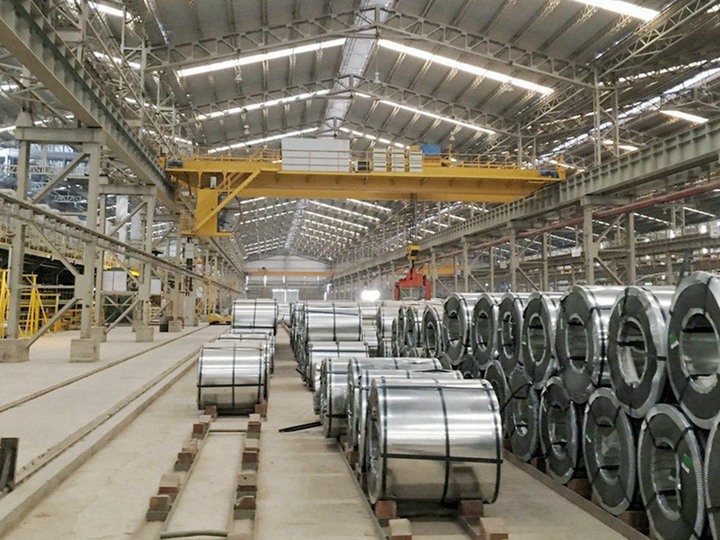
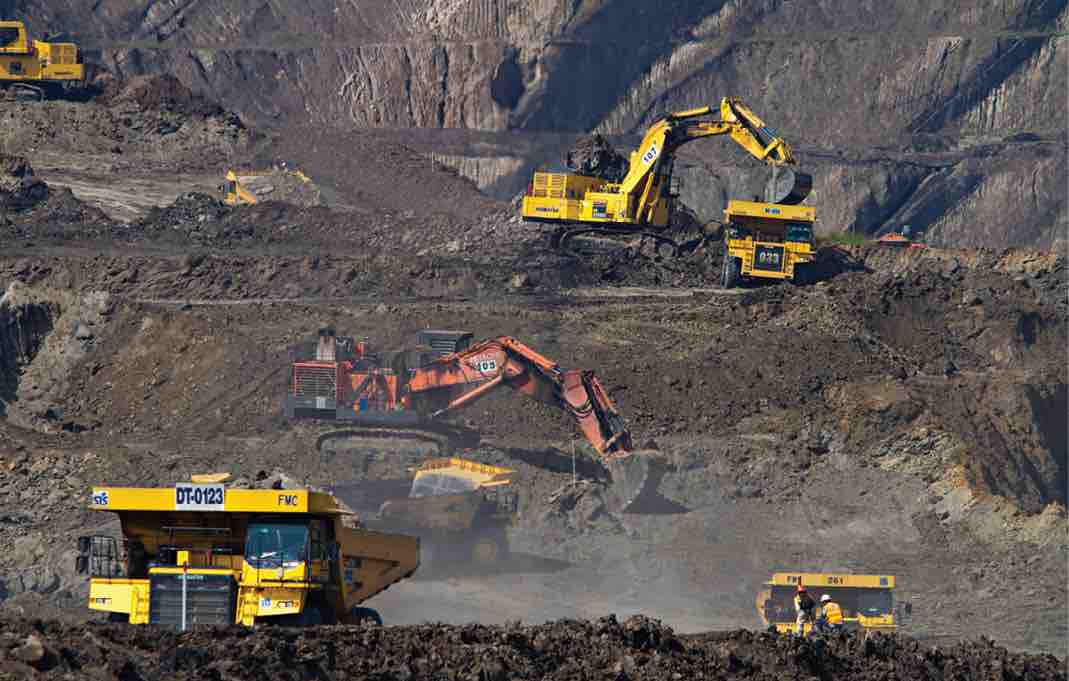


AI in manufacturing is no longer experimental. Mid-sized manufacturers now rely on artificial intelligence to gain real-time visibility, reduce unplanned downtime, and make faster decisions on the shop floor. The shift from pilot programs to production-ready AI is happening across every industry.
Key Takeaways: How AI Improves Factory Operations in 2026
- AI gives you real-time visibility into production by connecting data from PLCs, MES, ERP, and historians in one place.
- Predictive maintenance reduces unplanned downtime by identifying equipment issues before they cause failures.
- Quality control improves when AI monitors production data continuously to catch defects early in the process.
- B3 Systems enables AI on your existing plant infrastructure, so you get results without ripping out legacy systems.
- AI-driven production systems accelerate decision-making by surfacing actionable insights directly to your operations team.
What Is AI in Factory Operations?
AI in factory operations refers to machine learning algorithms and data analytics tools that monitor, predict, and optimize production processes. Unlike traditional automation, AI learns from your operational data and improves over time.
For mid-sized manufacturers, AI addresses specific challenges like data silos, limited real-time visibility, and slow decision-making. Instead of waiting for end-of-shift reports, you get instant insight into what's happening across your plant.
According to research from MIT Executive Education, AI enables manufacturers to reduce cycle times, improve yield, and increase overall equipment effectiveness by analyzing patterns humans often miss.
How Does AI Improve Real-Time Visibility Across Plants?
Real-time visibility starts with connecting your data sources. Most factories run on a combination of PLCs, SCADA systems, MES platforms, ERP software, and historians. AI needs access to all of these to give you a complete picture.
Once connected, AI consolidates data into dashboards that show production status, equipment health, and KPIs across facilities. You see what's happening now, not what happened yesterday. This 24-hour operational awareness helps you respond to issues faster.
B3 Systems integrates with your existing infrastructure to centralize this operational data. The platform works with the systems you already have in place, meaning you don't need to replace your MES or historian to get started. That's a practical advantage for operations leaders who need results without lengthy integration projects.
What Role Does AI Play in Predictive Maintenance?
Predictive maintenance uses AI to forecast when equipment will fail based on sensor data, historical patterns, and operating conditions. You move from reactive repairs to planned interventions that minimize downtime.
A study highlighted by iFactory found that AI-powered predictive maintenance can reduce unplanned downtime by 30% to 50%. For mid-sized manufacturers, that translates directly to protected margins and improved throughput.
AI models analyze vibration data, temperature readings, and runtime hours to identify anomalies. When the system detects a pattern that precedes failure, it alerts your maintenance team before the breakdown occurs. This approach extends equipment life and reduces the cost of emergency repairs.
How Does AI Enhance Quality Control in Manufacturing?
Quality control has traditionally relied on sampling and manual inspection. AI changes this by monitoring 100% of production data in real time, catching defects that slip through periodic checks.
Research from Koerber shows that AI-driven quality systems improve first-pass yield by identifying root causes of defects faster. When you know why defects happen, you can fix the process rather than just removing bad parts.
Machine vision combined with AI inspects products at line speed, flagging issues before they move downstream. This reduces scrap, rework, and customer complaints. For operations leaders, better quality means fewer disruptions and stronger customer relationships.
How Can AI Support Better Decision-Making on the Shop Floor?
AI turns raw operational data into recommendations your team can act on. Instead of sifting through reports, you receive alerts and suggestions based on what's actually happening in production.
B3 Systems takes this further by enabling human-in-the-loop AI. The platform surfaces insights while keeping your operators in control of final decisions. This builds trust and ensures your team's expertise stays central to operations.
According to McKinsey, manufacturers who scale AI from pilots to production see measurable gains in uptime, yield, and energy efficiency. The key is connecting AI insights to shop floor workflows where decisions get made.
What Makes AI Practical for Mid-Sized Manufacturers?
Mid-sized manufacturers often worry that AI requires perfect data, expensive infrastructure, or specialized teams. The reality is different. Modern AI platforms work with the data and systems you already have.
B3 Systems is built for this scenario. The platform connects to your existing PLCs, MES, ERP, and historians without requiring perfect programming upfront. You get AI capabilities layered on top of your current infrastructure, which means faster deployment and lower risk.
Energy optimization typically shows payback in three to six months. Predictive maintenance results follow in six to nine months. These timelines matter for operations leaders who need to demonstrate ROI before committing to larger investments.
In Conclusion: How AI Fits Into Your Factory's Future
AI improves factory operations by connecting your data, predicting problems, catching quality issues, and supporting faster decisions. For mid-sized manufacturers, the path forward is practical: start with the systems you have, add AI capabilities, and expand based on results.
The manufacturers getting the most from AI aren't the ones with the newest equipment. They're the ones who unified their data and gave their teams the tools to act on it. That's where B3 Systems helps—connecting what you have to the AI-powered workflows that drive real operational improvement.
FAQs About How AI Improves Factory Operations
What is AI in manufacturing?
AI in manufacturing uses machine learning and data analytics to monitor, predict, and optimize production processes. B3 Systems applies this by connecting your existing plant systems—PLCs, MES, ERP, and historians—so you can gain real-time visibility and actionable insights without replacing your infrastructure.
How does AI reduce downtime in factories?
AI reduces downtime through predictive maintenance. By analyzing sensor data and historical patterns, AI identifies equipment issues before they cause failures. This gives your maintenance team time to plan repairs, which protects your production schedule and margins.
Can mid-sized manufacturers afford AI solutions?
Yes. Platforms like B3 Systems work with your existing infrastructure, which lowers implementation costs. Energy optimization typically pays back in three to six months, making AI accessible for mid-sized operations focused on measurable ROI.
What systems does AI need to connect to in a factory?
AI connects to PLCs, SCADA systems, MES platforms, ERP software, and historians. B3 Systems integrates with these data sources to give you a unified view of operations, enabling AI-driven insights across your entire plant.
How does AI improve quality control?
AI monitors production data continuously, catching defects that periodic inspections miss. Machine vision systems inspect products at line speed, while AI identifies root causes of quality issues. B3 Systems surfaces these insights so your team can fix problems faster and improve first-pass yield.
How manufacturers connect data, teams, and operations on one platform.
Request a demo →Written by Yanis Sisalah, B3 Systems



Comments
Your email won't be published.